

Lipoprotein Testing reveals hidden cardiovascular risk that standard cholesterol tests miss. Learn why Lp(a) matters, who should be tested, and how early detection supports heart-disease prevention.
🫀 Why Lipoprotein Testing Matters for Heart Health
Heart disease remains the leading cause of death worldwide. For decades, clinicians have relied on standard cholesterol panels to assess risk. While these tests are valuable, they don’t always capture the full picture. One important marker often overlooked is Lipoprotein(a), or Lp(a).
For a broader view of how cardiovascular risk is assessed — including stroke and blood pressure components — read The Critical Nature of Early Stroke and Cardiovascular Screening for Adults Above 40
Lp(a) is a genetically inherited lipoprotein that increases the risk of heart attack, stroke, and aortic valve disease-even when LDL cholesterol levels are normal. According to the American Heart Association, roughly 20% of the global population has elevated Lp(a), but the majority has never been tested.
Source: heart.org
It is the reason why Lipoprotein Testing has become an indispensable factor in preventive cardiovascular care. It exposes hidden risk, allowing for interventions that can be made early enough to save lives.
If you're new to preventive cardiology, try our internal guide Cardiovascular Risk Screening Tests, to learn how Lp(a) fits with your broader screening plan.
🧬 What Is Lipoprotein(a) and Why Is It Different
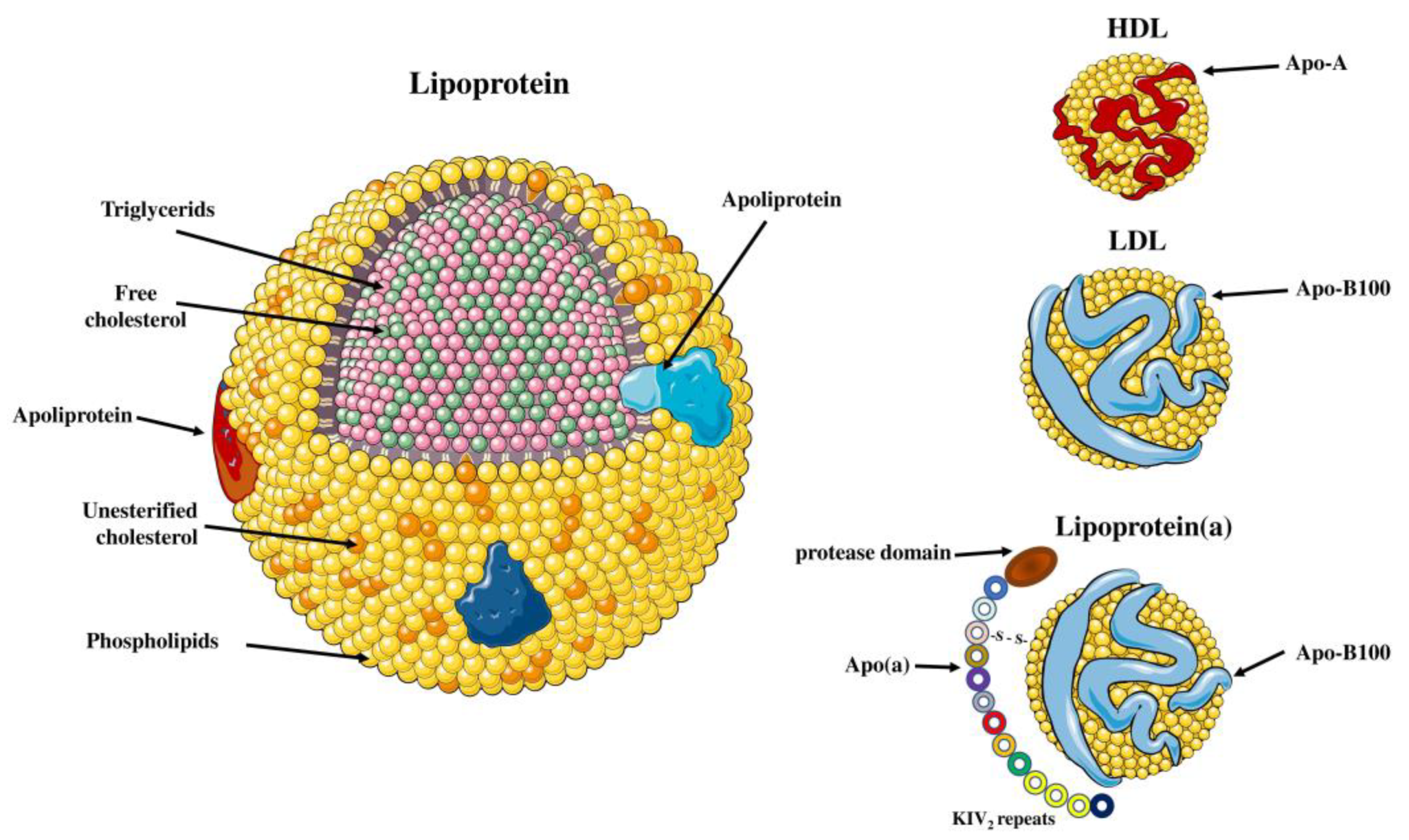
Lp(a) resembles LDL cholesterol but has an additional protein called apolipoprotein(a). This extra component adds to inflammation, stimulates plaque build-up, and helps with blood clot formation, thereby increasing cardiovascular risk.
By the way, unlike LDL cholesterol, which is often affected by lifestyle and medication, LP (a) levels are mainly determined by genetics and remain stable throughout life.
This explains why some individuals with healthy lifestyles and “normal” cholesterol suffer early heart events.
In my own preventive care, I decided to get an Lp(a) test. My result was within the normal range, which was reassuring and allowed me to focus on maintaining overall cardiovascular health.
📊 How Lipoprotein Testing Enhances Risk Detection
Lipoprotein Testing is done through a simple blood draw and, in most cases, only needs to be performed once. Both the Centers for Disease Control and Prevention and the American College of Cardiology recognize elevated Lp(a) as an independent cardiovascular risk factor.
Lipoprotein Testing helps:
- Evaluation for inherited risk for heart disease that would otherwise go undetected.
- Explain unexpected cardiovascular events in individuals with normal cholesterol.
- Facilitate preventive measures well before the later development of complications.
- Enable a more individualized care planning process based on risk profiles.
👩⚕️ Clinical Experience and Patient Perspective
In my clinical experience, many patients are surprised by elevated Lp(a) results after years of normal lipid panels. One patient shared:
"My cholesterol was always fine. When I finally had Lp(a) tested, it explained my family history of early heart disease. That test changed how seriously I approach prevention.”
Anecdotes such as these have been corroborated by the American Heart Association, indicating that Lp(a) testing often leads to earlier intervention and close monitoring and fosters informed decision-making.
Source: https://youtu.be/L37n807kb5E?si=HznyOCwn9tbfxssB
❓ Frequently Asked Questions About Lipoprotein Testing
How is Lp(a) different from LDL cholesterol?
Lp(a) is genetically inherited and largely unaffected by lifestyle, whereas LDL typically responds to diet, exercise, and medications.
Who should consider Lipoprotein Testing?
Adults with a family history of premature heart disease, unexplained cardiovascular events, or persistent risk despite normal cholesterol levels should strongly consider testing.
Can Lp(a) be treated?
Lifestyle changes don't significantly lower Lp(a), but managing other cardiovascular risk factors, blood pressure, LDL, blood sugar, and inflammation, can reduce overall risk. New therapies targeting Lp(a) are currently in late-stage clinical trials.
Is Lipoprotein Testing a one-time test?
Yes, in most cases, since Lp(a) levels are genetically determined. Repeat testing is rarely needed unless recommended by a healthcare professional.
🧭 Why Early Detection Matters
Cardiovascular disease often develops silently over decades. it's a gamble waiting for symptoms. Lipoprotein Testing provides earlier insight into inherited risk, allowing for proactive interventions rather than reactive care.
In a broader preventive context, review our pillar page on Preventive Health Screening Essentials, which describes how early detection supports healthy outcomes over the long term.
✅ Actions for Your Heart Health
While you can't change your genetics, you can change the timeline for how early you understand your risk. Lipoprotein Testing is a simple step that can reveal hidden cardiovascular risk and proactively support smarter evidence-based prevention strategies.
Those with a family history of heart disease and anyone else seeking a more comprehensive understanding of their cardiovascular health should consult with their healthcare provider to consider the Lp(a) test, as well as other available screening options through HealthScreenTest.com.
👩⚕️ Author Bio
Written by a Registered Nurse with more than 18 years of clinical healthcare experience, focusing on preventive screening education and cardiovascular risk awareness. Content is informed by current guidance from the American Heart Association, Centers for Disease Control and Prevention, and peer-reviewed medical literature to ensure accuracy, authority, and trustworthiness.