Discover what high blood pressure (hypertension) really means, its hidden symptoms, long-term risks, and effective strategies to lower it fast. Real patient stories, expert guidance, and home monitoring tips included.
The "Silent Killer" known as hypertension is more than just a number. It silently strains your heart, damages arteries, and increases the risk of stroke and organ failure. As a former emergency room nurse, I’ve seen how early detection can save lives. This guide explains what it is, how to recognize it, and effective ways to manage it.
Learn More About Stroke Preventive Health Screening
🌡️ What Is High Blood Pressure?
Hypertension, another term, occurs when blood pushes too hard against artery walls. Your heart pumps blood to the brain, kidneys, and other organs. Over time, excess pressure damages your cardiovascular system, similar to a garden hose under too much water pressure.
The American Heart Association (AHA) defines high blood pressure as 130/80 mmHg or higher.
The World Health Organization (WHO) explains that high blood pressure is a major global health concern, contributing to heart attacks, strokes, and kidney failure.
📊Understanding what is systolic and diastolic pressures
Blood pressure has two numbers:
• Systolic (top number): Pressure when the heart pumps
• Diastolic (bottom number): Pressure when the heart rests
Blood Pressure Categories:
- Normal: Blood pressure under 120/80 mmHg
- Elevated: Readings between 120–129 with a top number under 80
- High Blood Pressure (Hypertension): 130/80 mmHg or higher
⚠️Causes & Symptoms of Hypertension
Causes
Primary Hypertension — lifestyle and genetics:
- Smoking 🚬 – lighting up increases your risk
- Living a mostly inactive life 🛋️ – not moving enough can take a toll on your heart
- Eating too much salt 🧂 – high sodium can push your blood pressure up
- Excess weight – extra pounds put added strain on your heart
- Family history – if heart issues run in your family, your risk is higher
Secondary Hypertension — linked to medical conditions:
- Kidney disease – having CKD can raise your blood pressure and heart risks (CDC)
- Hormonal imbalances – certain hormonal issues can affect your heart health
- Thyroid problems – both overactive and underactive thyroid can play a role
- Sleep apnea – interrupted sleep can put extra strain on your heart
Symptoms of Hypertension
Often silent, but can include:
- Severe headaches 🤕 – intense head pain that won’t go away
- Chest pain 💔 – discomfort or pressure in the chest
- Blurred vision 👁️ – trouble seeing clearly
- Fatigue – feeling unusually tired or drained
- Irregular heartbeat – your heart may feel like it’s skipping or racing
- Nosebleeds 👃 – sudden or frequent bleeding from the nose
- Pounding in chest, neck, or ears 🔊 – a strong, noticeable thumping sensation
For more details, see Mayo Clinic – High Blood Pressure Symptoms, which notes that many people experience no early symptoms, making regular monitoring critical.
💥 Dangers of High Blood Pressure
Unchecked high blood pressure harms the body over time:
- 🧠 Stroke – high blood pressure can significantly raise your risk (CDC)
- ❤️ Heart attack – your heart can be seriously affected if blood pressure stays high
- 🩸 Hardened arteries – long-term high blood pressure can stiffen your arteries (AHA)
- 👁️ Vision loss – eye health can be damaged over time
- 🩺 Kidney damage – your kidneys may take a hit from uncontrolled pressure
- 🦵 Peripheral artery disease – circulation issues in your legs and arms
- ⚠️ Hypertensive crises – dangerously high readings of 180/120 mmHg or more
👥 Real Patient Stories on Hypertension
Yvonne Scott, 63:
“I was very scared … I could’ve easily had a stroke or heart attack. Early detection saved my life.” (Baystate Health)
Daisy Mpofu, 37:
“I had no symptoms, yet my blood pressure was dangerously high. Routine checks and my GP’s guidance changed everything.” (Herts & West Essex ICS)
Diana, 57:
“Lifestyle changes and a hypertension program helped me lose 100 pounds and stop medications entirely.” (Teladoc Health)
🛡️ How to Lower the Pressure
- Adopt a heart-healthy diet – focus on fruits 🍎, vegetables 🥦, and lean proteins (WHO – Hypertension Treatment)
- Exercise regularly – aim for at least 150 minutes a week 🏋️
- Cut back on salt 🧂 and processed foods to protect your heart
- Quit smoking 🚭 – it’s one of the biggest steps you can take for your health
- Drink alcohol in moderation
- Manage stress – try meditation 🧘, yoga, or tai chi to keep calm
- Take your prescribed medications 💊 as directed (Mayo Clinic – Treatment)
- Keep track of your readings at home 🩸
- Check in with your doctor regularly to stay on top of your heart health
📏 Choosing & Using a Monitor
Manual/Aneroid:
• Used in clinics, requires a stethoscope
• Must use the correct cuff size
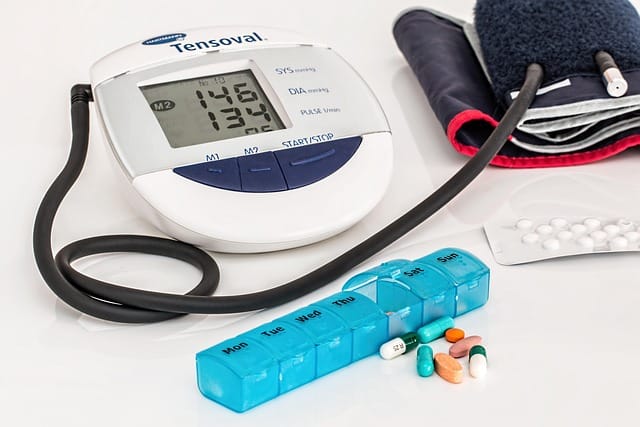
Digital:
- Perfect for use at home – convenient and easy to check anytime
- Upper-arm monitors are the most accurate – giving you reliable readings every time
- Simple to track your progress over time – helps you see trends and stay on top of your health
Tip: Sit quietly for 5 minutes before checking. Always measure at the same arm and position.
❓ FAQ's on High Blood Pressure
Q: Does Hypertension always cause symptoms?
A: No. Many people have no symptoms, which is why it’s called the “silent killer.”
Q: When is BP an emergency?
A: Readings ≥180/120 mmHg with chest pain or vision changes — call 911.
Q: Can lifestyle changes alone manage it?
A: Sometimes, but many need medication alongside diet, exercise, and stress control.
Q: How often should I check my BP at home?
A: Daily, or as recommended by your doctor.
Q: Is hypertension reversible?
A: Often manageable and significantly lowerable with consistent treatment and lifestyle changes.
📚 References on Hypertension
- American Heart Association – Learn more about high blood pressure. AHA – High Blood Pressure
- World Health Organization – Key facts about hypertension WHO – Hypertension Facts
- Mayo Clinic – Complete overview of high blood pressure Mayo Clinic – High Blood Pressure Overview
- CDC – Understand the risks of high blood pressure CDC – High Blood Pressure & Risks
- Baystate Health – Read Yvonne’s personal journey Baystate Health – Yvonne’s Story
- Teladoc Health – See how Diana managed her condition Teladoc Health – Diana’s Success Story