
A coronary calcium score test detects early heart disease before symptoms appear. Learn what the results mean and why proactive screening matters.
What Is a Coronary Calcium Score Test?
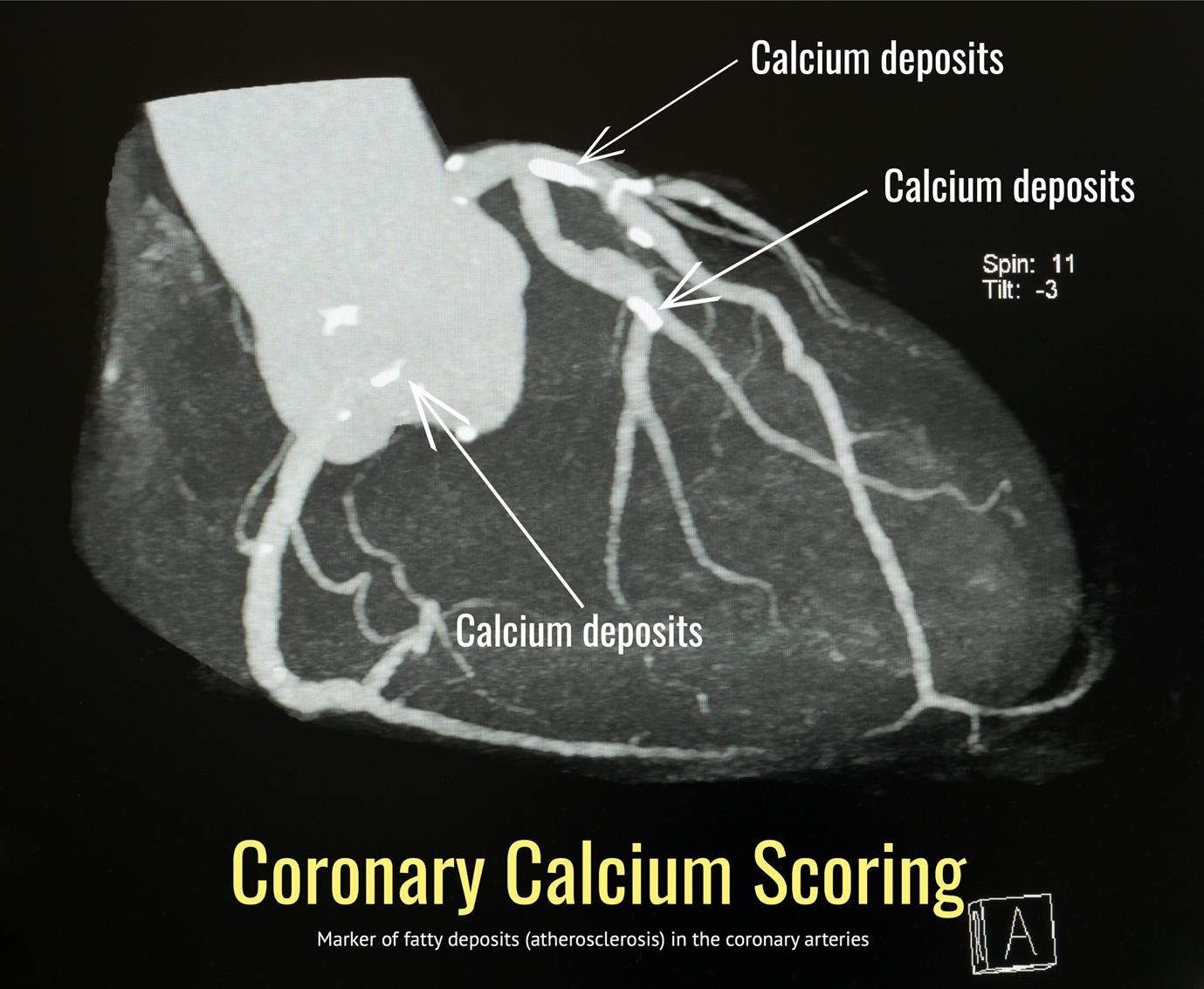
A coronary calcium score test is a specialized CT scan that measures calcium buildup in the arteries of the heart. Over time, calcium develops as plaque hardens, narrowing blood vessels and increasing the risk of a heart attack. The test is quick, non-invasive, and does not require needles or contrast.
In healthcare, one reality remains consistent: heart disease often progresses silently. This test helps uncover risk early, when prevention is still highly effective.
Why the Calcium Score Matters for Heart Health
Heart disease remains the leading cause of death in the United States. According to the Centers for Disease Control and Prevention (https://www.cdc.gov/heart-disease/about/index.html) nearly 1 in 5 deaths is related to cardiovascular disease. Early detection plays a critical role in changing that outcome.
A calcium score can:
- 🫀 Reveal hidden plaque before symptoms develop
- 📊 Clarify cardiovascular risk beyond routine blood work
- 🛡️ Support timely lifestyle or medical intervention
Research supported by the National Institutes of Health (https://www.nhlbi.nih.gov/news/2023/coronary-artery-calcium-scores-may-improve-heart-disease-risk-predictions) confirms that coronary calcium scoring improves cardiovascular risk prediction beyond cholesterol testing alone.
Taking a Proactive Step: My Personal Experience
I recently had a CT coronary calcium score done as part of my own preventive health screening. Like many people, I felt well and had no warning signs. When the results showed a higher-than-expected score, I took the findings seriously.
I met with my family physician, reviewed the results together, and received a referral to a cardiologist
for further evaluation and workup. That single screening test prompted earlier action, additional testing, and a clearer plan for protecting my heart health.
This is what proactive healthcare looks like—using information wisely and acting early, rather than waiting for symptoms to appear.
Understanding Your Calcium Score Results
What Is a Normal Calcium Score?
- 0: No detectable plaque; very low short-term risk
- 1–99: Mild plaque; early heart disease
- 100–399: Moderate plaque; increased cardiovascular risk
- 400+: Extensive plaque; significantly higher heart attack risk
Individuals with very high CAC (≥1000) are a unique population at substantially higher risk for CVD events, non-CVD outcomes, and mortality than those with lower CAC, with 3-point major adverse cardiovascular event rates similar to those of a stable treated secondary prevention population. https://pubmed.ncbi.nlm.nih.gov/33650435/#:~:text=The%20study%20found%20that%20people%20with%20CAC,and%20mortality%20than%20those%20with%20lower%20CAC
Who Should Consider a Calcium Score Test?
This screening is especially helpful for adults:
- Over age 40
- With a family history of heart disease
- With diabetes, high blood pressure, or high cholesterol
- Seeking clarity beyond routine blood tests
For a comprehensive approach, visit Preventive Health Screening Tests:
👉 https://healthscreentest.com/screenings/
Frequently Asked Questions
Is Calcium Score worth it?
Yes. The American College of Cardiology (https://www.acc.org/Latest-in-Cardiology/ten-points-to-remember/2018/07/23/13/39/Coronary-Calcium-Score-and-Cardiovascular-Risk) reports that CAC scoring has emerged as a widely available, consistent, and reproducible means of assessing risk for major cardiovascular outcomes, especially when planning primary prevention interventions, such as statins and aspirin.
Does insurance cover calcium scoring?
Coverage varies by plan. Many individuals choose this test because the out-of-pocket cost is often modest compared to the value of early detection.
Can risk be reduced after a high score?
Yes. Lifestyle changes, medical therapy, and specialist guidance can significantly reduce future cardiovascular risk.
Trusted Sources and Media Coverage
- American Heart Association (https://www.heart.org/) – frequently featured on CNN Health and NPR
- NIH-funded cardiovascular research
- American College of Cardiology expert interviews and podcasts
Take Action for Your Heart
A coronary calcium score is not about fear—it is about responsibility. Early detection provides clarity, direction, and the opportunity to act before damage occurs.
If you are ready to take that first step and get an ultrasound, please go here https://healthscreentest.com/life-line-screening/
Prevention today protects your future tomorrow.
About the Author
Alex, RN, is a Registered Nurse with over 18 years of clinical healthcare experience, focusing strongly on patient education, preventive care, and early disease detection. Throughout his career, Alex has worked closely with individuals managing cardiovascular risk, chronic disease prevention, and diagnostic screening decisions.
As the founder of HealthScreenTest.com, Alex is committed to helping people understand health screening tests in clear, practical terms—so they can take informed action before symptoms appear.
Alex strongly believes that proactive screening, paired with professional medical guidance, remains one of the most effective tools for long-term health protection.
Medical Review:
This article was reviewed for medical accuracy by a board-certified physician experienced in cardiovascular risk assessment and preventive cardiology. All medical information is aligned with current clinical guidelines and evidence-based practice.
Editorial Standards:
HealthScreenTest.com publishes evidence-based content supported by U.S. government agencies, academic institutions, and nationally recognized medical organizations. Articles are reviewed and updated regularly.
This content is for educational purposes only and does not replace individualized medical advice. Always consult your healthcare provider regarding personal health decisions.