Women’s health screening tests help detect disease early, reduce long-term health risks, and support a healthier future. Learn which women’s screening tests matter most, when to get them, and how proactive testing can protect your well-being at every stage of life.
Preventive care has always been the foundation of good health. Over the years, I’ve seen firsthand how early screening can change outcomes, reduce complications, and give women peace of mind. Women’s health screening tests aren't about fear, they're about foresight, responsibility, and staying one step ahead of preventable illness.
Today, more women are actively searching for women’s health screening tests, preventive health screenings for women, and early detection tests for women—and for good reason. Early action saves lives.
Why Women’s Health Screening Tests Matter
Women experience unique health risks that change with age, family history, and lifestyle. Regular screening allows problems to be identified before symptoms appear, when treatment is most effective.
Key benefits of routine women’s screening tests include:
🩺 Early detection of heart disease, cancer, and metabolic disorders
🩺 Lower healthcare costs by preventing advanced disease
🩺 Better long-term outcomes through timely intervention
🩺 Peace of mind from knowing where your health truly stands
According to the Centers for Disease Control and Prevention (CDC), the benefits of using proven strategies, such as early screening, include a substantial reduction in mortality rates associated with breast cancer, as well as cervical cancer.
👉 https://www.cdc.gov/nccdphp/priorities/breast-cancer.html
👉 https://www.cdc.gov/nccdphp/priorities/cervical-cancer.html
Most Searched Women’s Health Screening Tests
These are the screening tests women most often search for online, and the ones I consistently recommend for proactive care.
Core Preventive Screenings for Women
🩷 Blood Pressure Screening -Detects silent hypertension
🩷 Cholesterol & Lipid Panel -Assesses heart disease risk
🩷 Blood Glucose / A1C -Screens for diabetes and prediabetes
🩷 Pap Smear & HPV Testing -Essential for cervical cancer detection
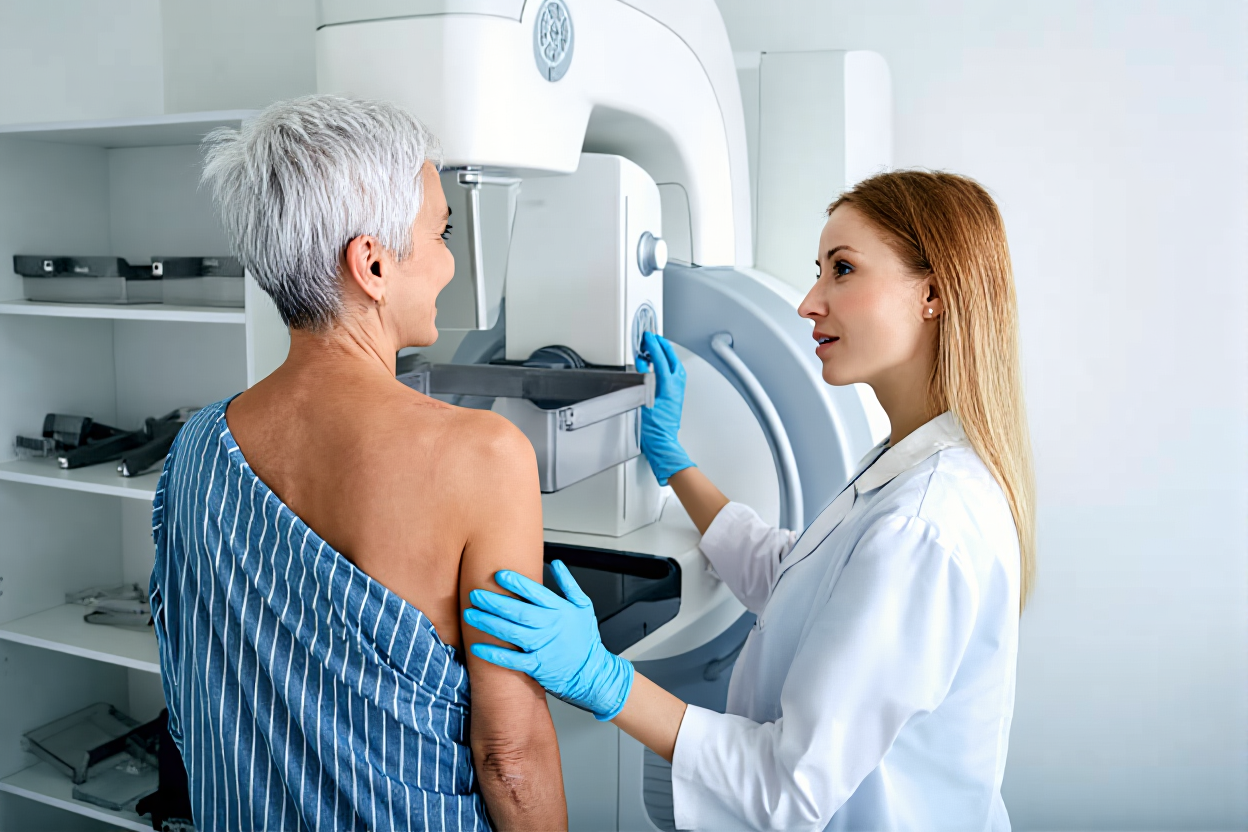
🩷 Mammogram -Early detection of breast cancer
🩷 Bone Density (DEXA Scan) -Screens for osteoporosis
🩷 Thyroid Function Tests -Identifies hormonal imbalances
When Should Women Start Health Screenings?
Screening isn't one-size-fits-all. Age, genetics, and personal risk factors all matter.
General guidance:
📅 Ages 20–39:Honestly, blood pressure, cholesterol, cervical cancer screening
📅 Ages 40–49: Add mammograms and expanded heart risk testing
📅 Ages 50+: Bone density, colon screening, advanced cardiovascular markers
According to the American Heart Association (AHA) 2025 Heart Disease and Stroke Statistical Update, among females 20 years of age and older between 2017 and 2020, 44.8% had some form of cardiovascular disease, compared with 52.4% of males.
Real Patient Experiences
I’ve met countless women who wished they had screened sooner. One story stands out.
Cindy’s story comes from the CDC’s official cervical cancer survivor stories. She was proactive about her routine screenings, which caught precancerous cells early — allowing effective treatment and prevention.
👉 “Taking the time to educate myself and work with my doctor really helped ground me… If I wouldn’t have had it, the future might have looked very different.” — Cindy’s cervical cancer screening story
Another patient shared through the Susan Komen Foundation
Cynthia’s experience is featured on Susan G. Komen’s official blog. A routine mammogram — including a 3D mammogram — discovered a mass that wasn’t present the year before. Early detection changed her life.
👉 “Early detection saves lives… seek help when you need it and pray for your breakthrough from breast cancer patient to survivor.” — Cynthia Small
https://www.komen.org/blog/cynthias-story-early-detection-saves-lives/
These outcomes aren't rare, they're the result of proactive care.
Frequently Asked Questions About Women’s Health Screening Tests
How often should women get health screenings?
Most screenings are annual, though some tests (like mammograms or bone density scans) may be done every 1–2 years depending on risk.
Are women’s screening tests covered by insurance?
Many preventive screenings are covered under health plans, especially those recommended by national guidelines.
Can I get screenings without symptoms?
Yes, and that's the point. Screening is designed to detect disease before symptoms appear.
For more guidance, visit our internal resource: https://healthscreentest.com/screenings/
Taking Charge of Your Health Starts Today
Women are natural caregivers, but too often they place their own health last. I strongly believe that prevention isn't optional, it's responsible, empowering, and proven to work.
At HealthScreenTest.com, our mission is simple: help women access the right screening tests at the right time, before complications arise. When women understand their numbers, they make better decisions, and better decisions lead to healthier lives.
Summary & Conclusion
Women’s health screening tests are one of the most effective tools for long-term wellness. From heart disease to cancer and bone health, early detection saves lives and preserves quality of life. Here's what I found staying informed, consistent, and proactive is the traditional approach to good medicine, and it still works.
If there's one message worth repeating, it's this: don't wait for symptoms. Screen early. Stay informed. Protect your future.
Explore more educational resources and screening options at: