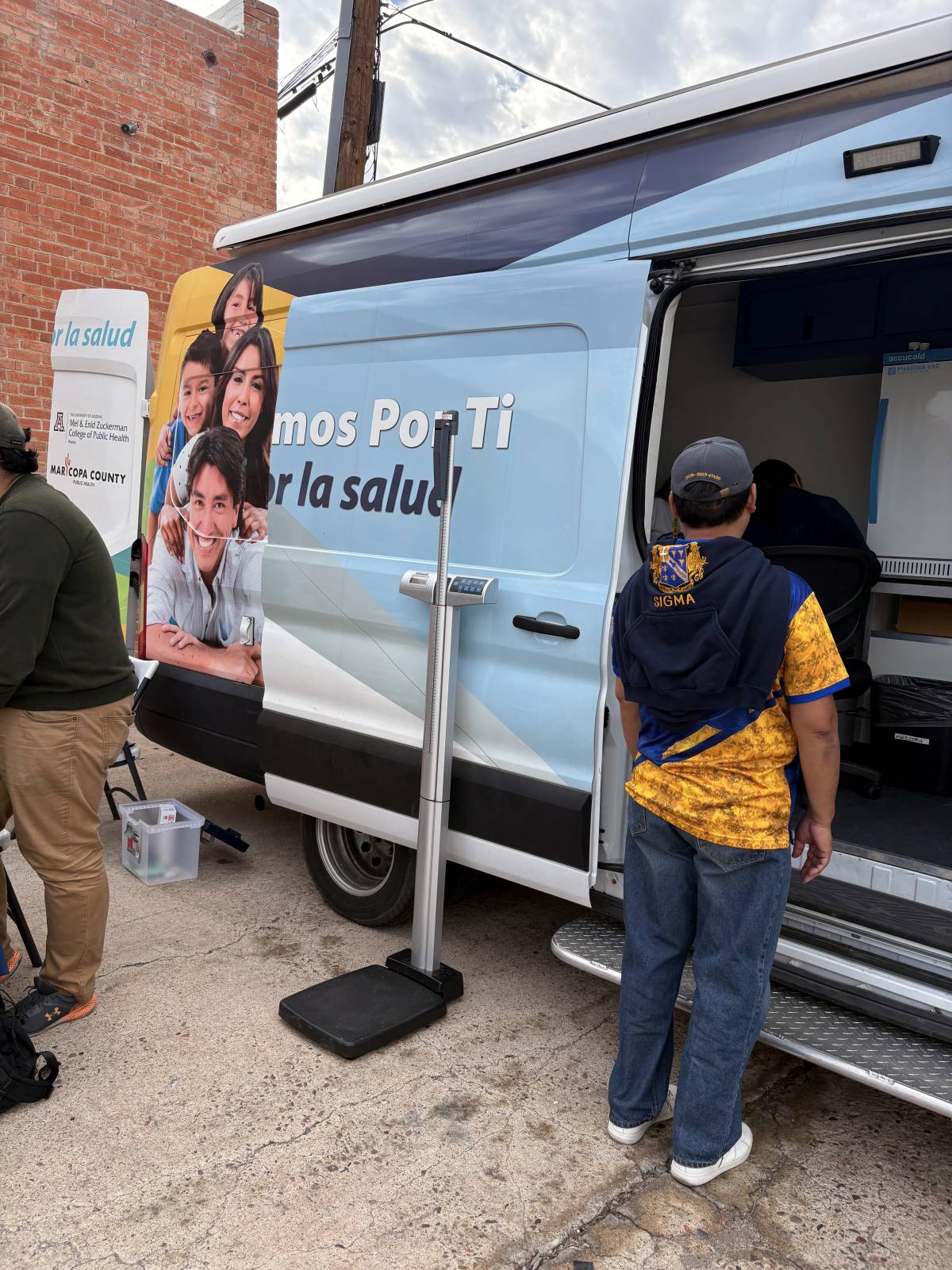
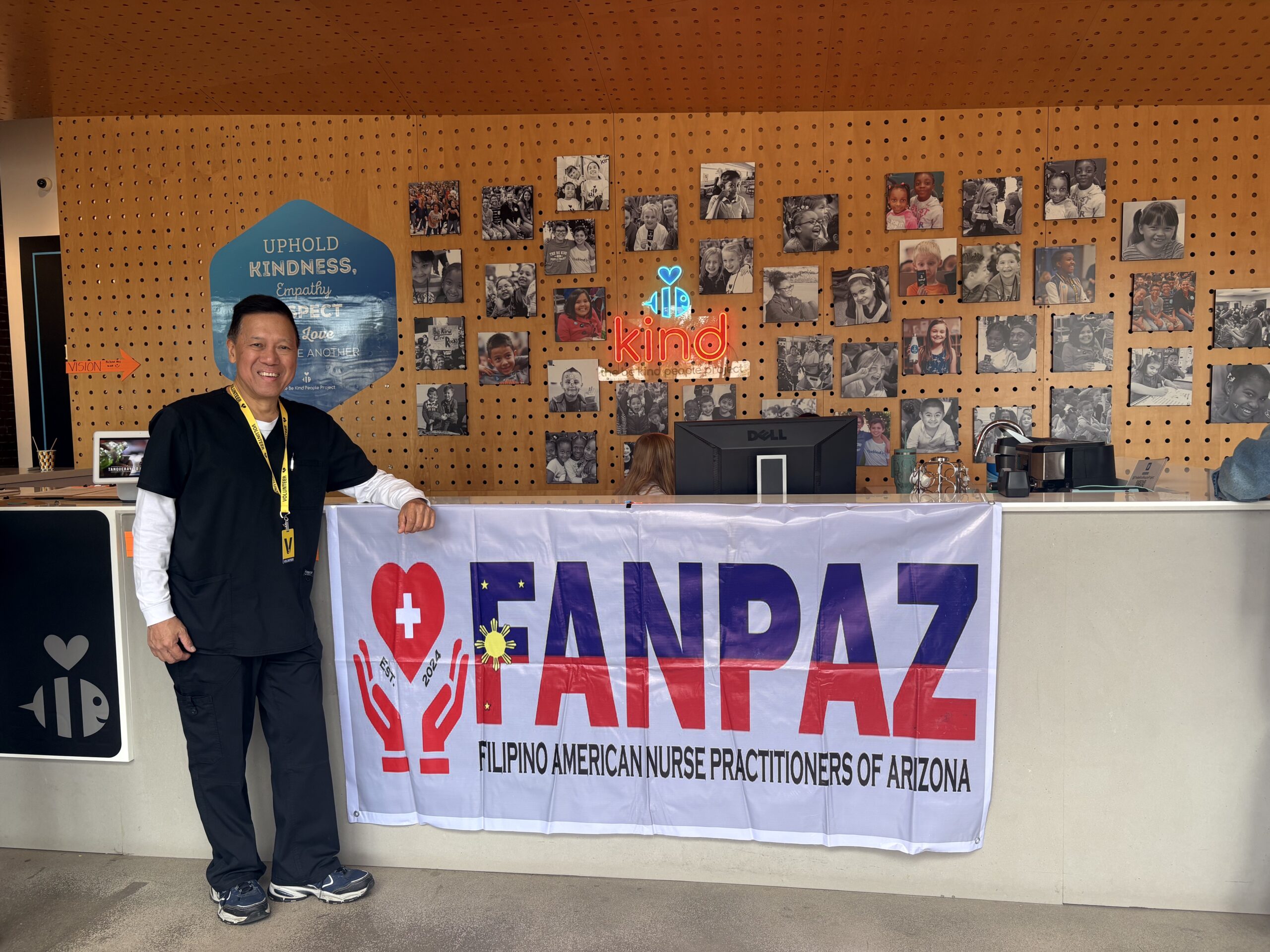
Learn how prevention for hypertension, diabetes, and heart disease is supported through community health screenings in Phoenix, AZ. Services such as blood pressure checks, A1C, cholesterol, biometric evaluations, and EKGs for AFib highlight how early detection protects long-term health and prevents serious complications.
Why Community Health Screenings in Phoenix Matter?
I have seen how early detection can empower individuals as a Registered Nurse with almost two decades of experience.
Phoenix is buzzing with activity. Many people are busy working long hours, taking care of their families, and trying to keep pace with the fast-moving life. Unfortunately, that pace leads to many missed signs and symptoms.
The very simple nature of health assessments prevents conditions like hypertension, diabetes, and high cholesterol from reaching complications. Early detection of these issues helps you manage your health and well-being fairly well. This is a majorly important factor in a person’s life in a growing city like Phoenix.
The tests listed below are some of the ones that all adults in Phoenix should never miss. I am an advocate for these screenings for my family, friends, and patients, and I do encourage them all to follow through.
What Are the Community Health Screenings?
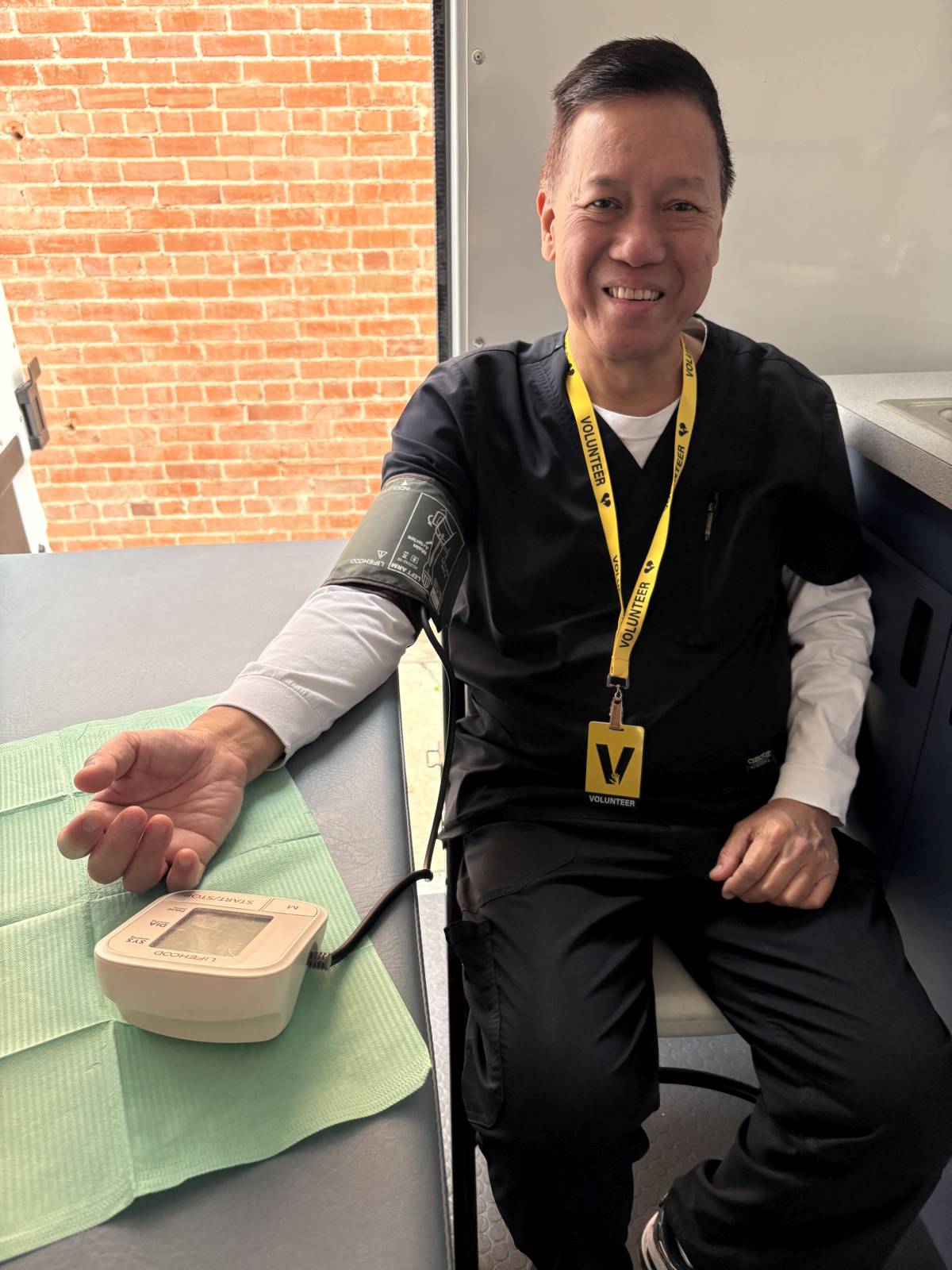
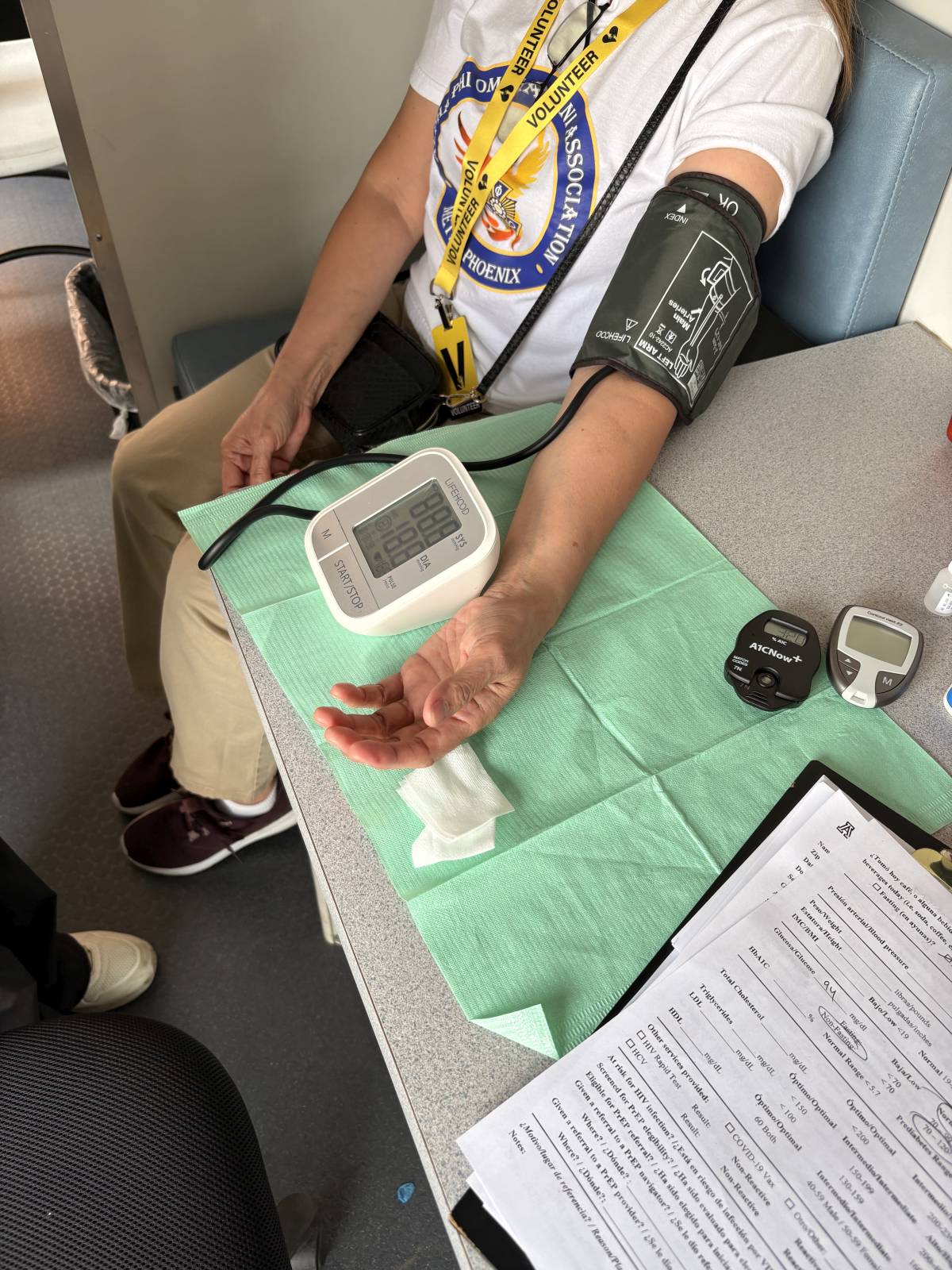
🩺 Blood Pressure Screening (Hypertension Check)
High blood pressure is one of the most silent yet dangerous conditions. High blood pressure is the silent killer. You can feel fine and not know about it. High blood pressure or hypertension can lead to a major stroke can be fatal. Normal blood pressure readings are 120/80. Anything above this normal reading is considered prehypertension.
➡️ CDC – High Blood Pressure Overview: https://www.cdc.gov/bloodpressure/
Learn More About Health Screenings: https://healthscreentest.com/screenings/
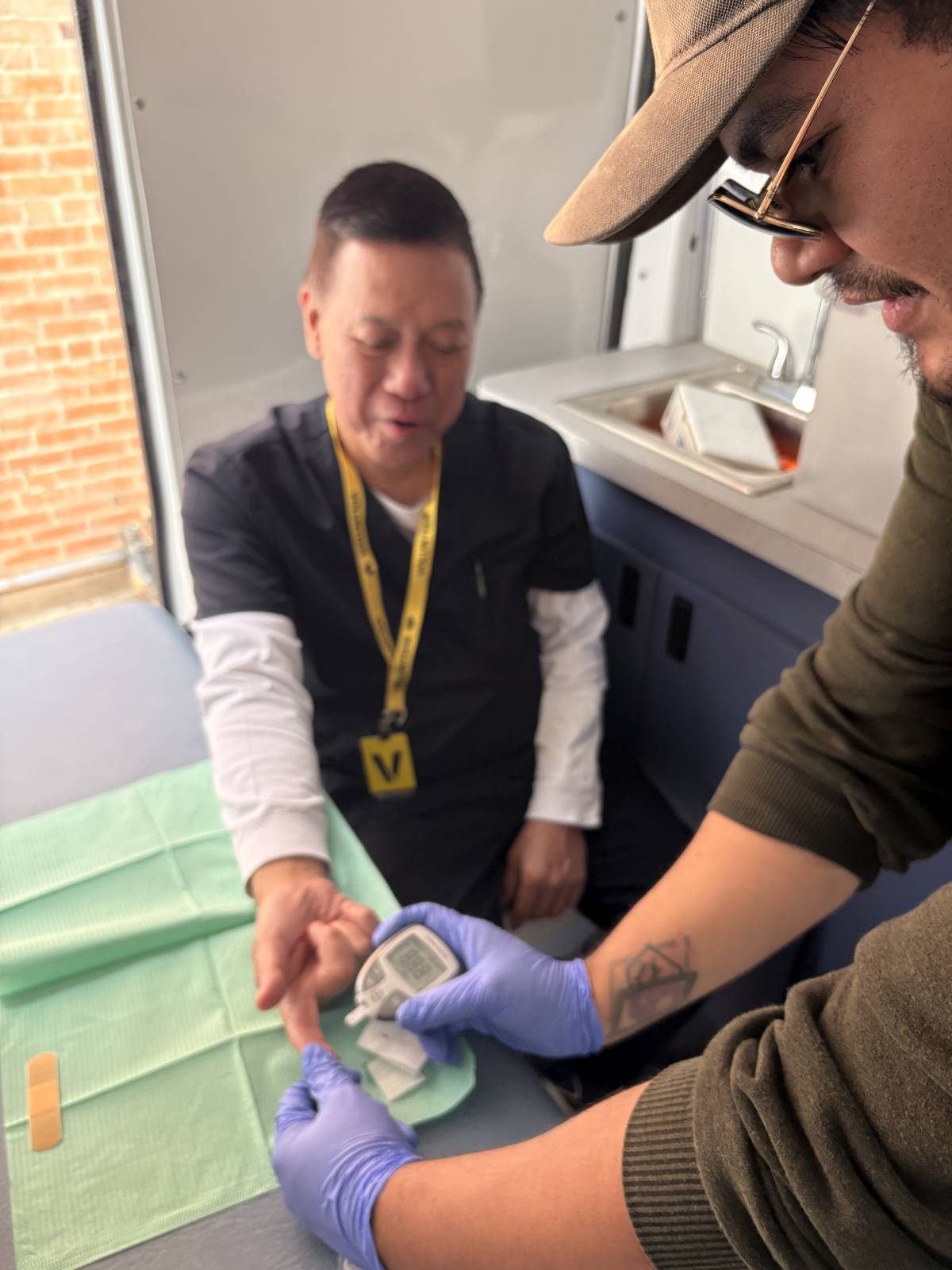
🍬 Hemoglobin A1C Test (Diabetes Screening)
In simple terms, the Hemoglobin A1C test shows your average blood sugar levels over the past three months. is one of the most reliable ways to detect pre-diabetes and diabetes early. With Phoenix’s growing diabetes rates, this test is one you should never skip.
➡️ American Diabetes Association: https://diabetes.org/
💛 Cholesterol Panel
A cholesterol test shows your LDL (“bad cholesterol”), HDL (“good cholesterol”), and triglycerides.
Over time, cholesterol can build up in your arteries and increase your risk of a heart attack or stroke. Detection helps prevent life-changing complications.
➡️ American Heart Association – https://www.heart.org/cholesterol
👁️ Vision Screening
Age-related changes can occur with vision. It is important to see an optometrist or ophthalmologist to check common eye problems like cataracts, retinal detachments, and diabetic retinopathy
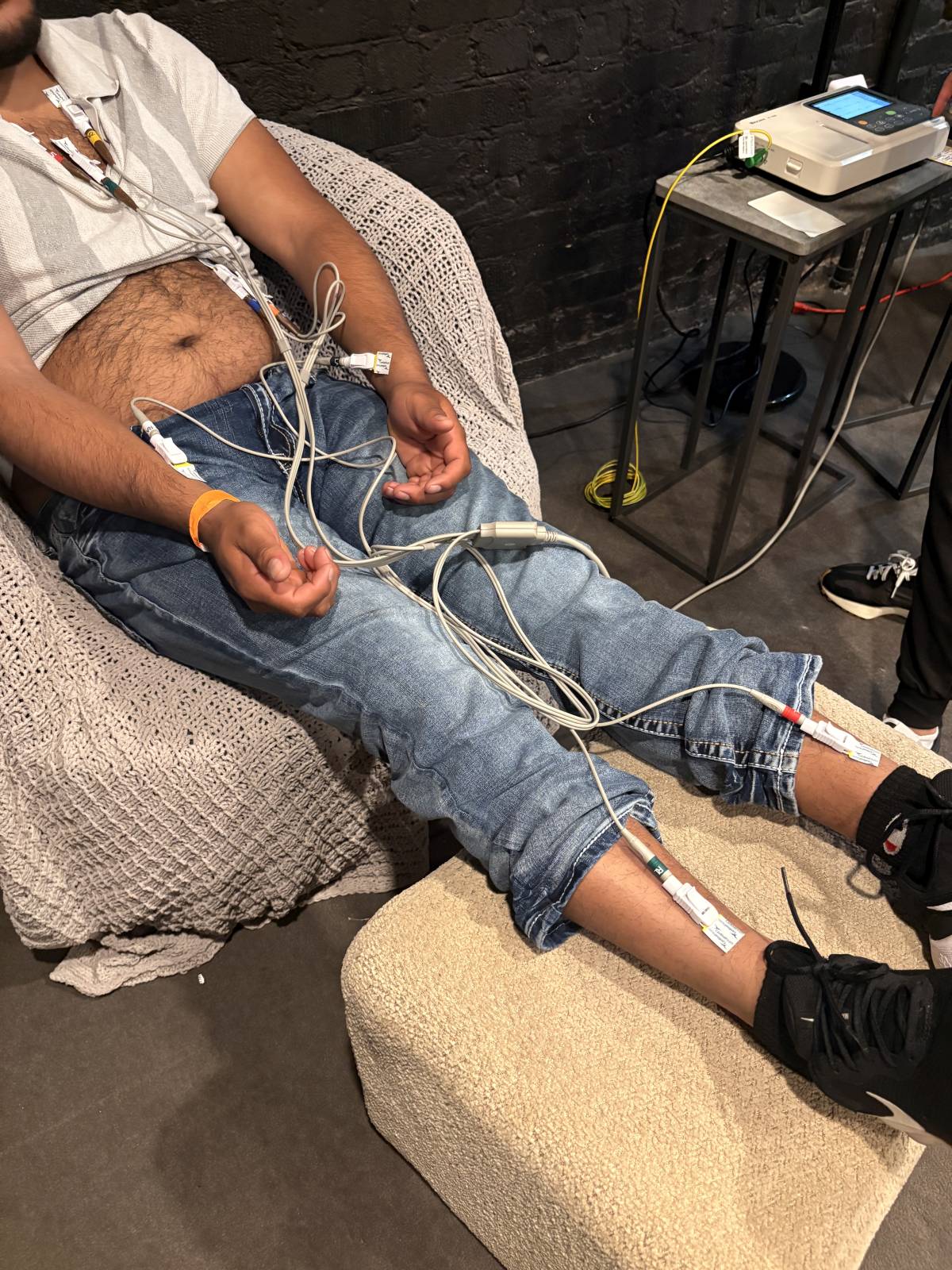
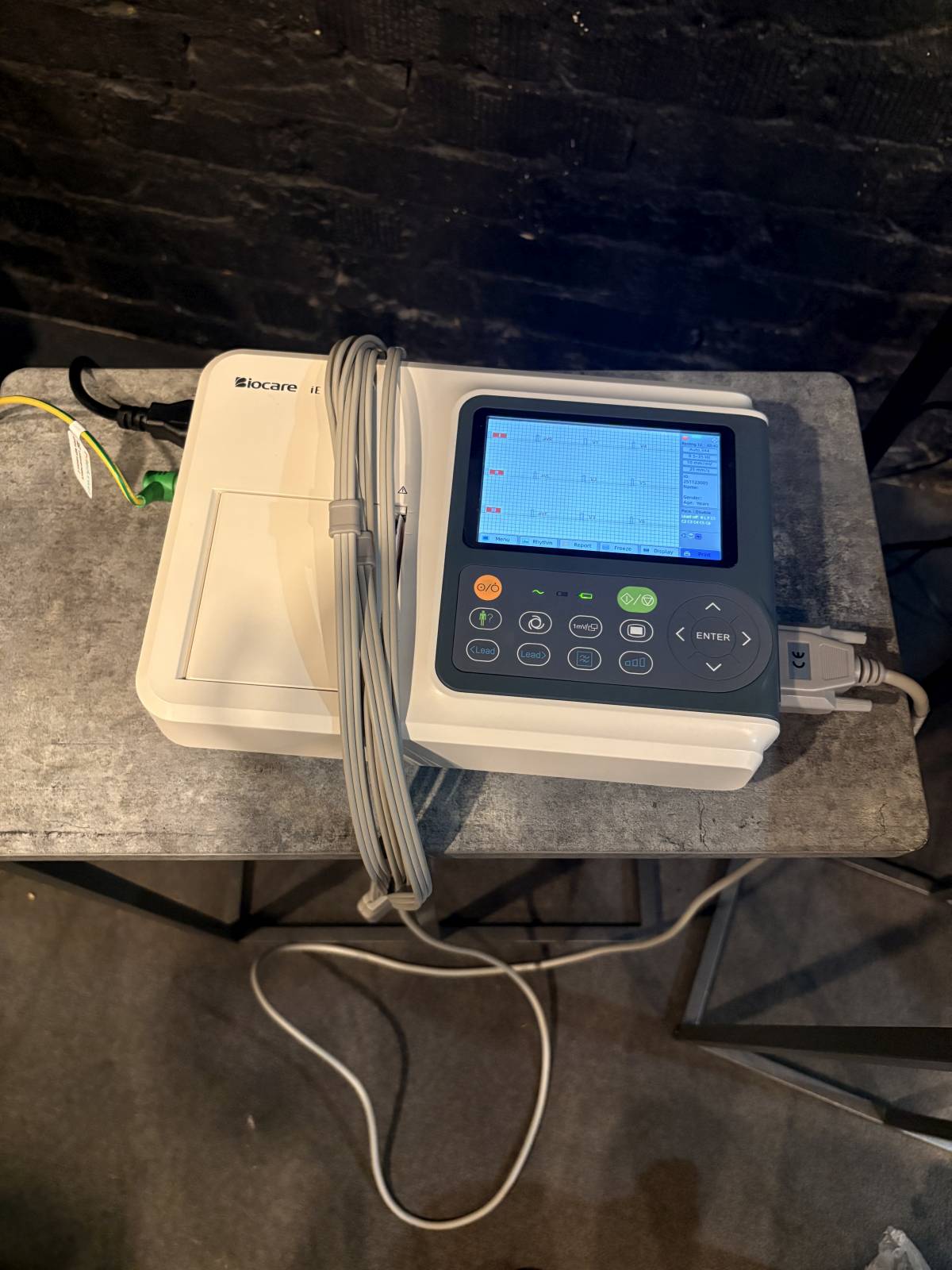
❤️ EKG Screening for Atrial Fibrillation (AFib)
AFib is an irregular heart rhythm that dramatically raises the risk of stroke.
A simple EKG or electrocardiogram screening will be able to detect this.
➡️ American Heart Association https://www.heart.org/en/health-topics/atrial-fibrillation/what-is-atrial-fibrillation-afib-or-af
📊Biometric Community Health Screenings
This comprehensive snapshot typically includes:
1. Body Mass Index (BMI) ⚖️
BMI is based on height and weight. Measures a person's height and weight to measure body fat.
2. Blood Pressure ❤️
Checking your blood pressure shows how hard your heart is working to pump blood. Elevated blood pressure increases your risk of a stroke and heart disease.
3. Blood Sugar (Glucose) 🍬
This test shows how your body manages sugar. High levels could signal prediabetes or diabetes, which can affect your heart, kidneys, and eyes over time.
4. Cholesterol 🩸
A cholesterol check measures fats in your blood.
There is the bad cholesterol and the good cholesterol. Your numbers help reduce risk.
5. Waist Circumference📏
Combined with BMI, they give a fuller picture of your body composition and potential risks. Measuring your waist helps identify belly fat, which is linked to higher risks of diabetes, heart disease, and other health issues.
What I have seen
I have lived here in Phoenix, AZ, for the past 17 years, and I have seen that not everyone wants to seek preventive screenings. Why? The answer is that the desert climate increases the risk for skin cancer, dehydration and health-related illnesses like diabetes.
Why I Advocate for Community Health Screenings?
In my years of nursing, I’ve lost count of how many times a simple test changed someone’s life. A father who discovered his blood pressure was dangerously high. A business owner who found out his A1C was rising into the diabetes range.
Early findings give people a fighting chance—and that’s why I’m committed to promoting wellness in Phoenix.
Building a Healthier Phoenix, One Screening at a Time
Preventive care is practical. It’s responsible. And it’s consistent with the values many of us were raised with—take care of yourself, stay prepared, and protect your family by staying healthy. Health screenings are one of the smartest ways to do that.
Frequently Asked Questions (FAQ’s)
❓ Are health screenings accurate?
Yes. They use validated equipment operated by trained professionals. Any concerning results should be confirmed by your doctor.
❓ Do these health assessments replace a medical exam?
No. They complement your regular care and help identify risks that need follow-up.
❓ At what frequency should adults in Phoenix be screened?
Doing this once a year is best for adults with a history of chronic illness - hypertension, diabetes, etc.
❓ Are screenings painful?
No. Most tests are quick, noninvasive, and comfortable.
❓ Why screen in Phoenix?
City growth, rising chronic illnesses, and climate stress make early detection essential for long-term health.
Final Thoughts on Community Health Screenings
I can tell this from all the years I have spent in directing patients on preventive decisions: Health screenings are among the best investments you can make for your future. These are affordable, sometimes free, and accessible events where Phoenix residents can take health information into their own hands. Don't wait for signs and symptoms; take the first step—your long-term health depends on it.